

Kyle Kinzy’s General Practice Blawg
Welcome to Kyle Kinzy’s General Practice Blawg, a real-world chronicle of a general practice attorney’s trials and tribulations, where Kyle M. Kinzy shares hard-earned lessons, practical strategies, and behind-the-scenes stories from more than 20 years helping clients navigate the full spectrum of immigration law, small business formation and transactions, franchise agreements, ranching and agricultural operations, real estate purchases and disputes, bankruptcy protection, and complex litigation. I endeavor to bring diligence, creativity, and tenacity upon which my clients - Texas and Illinois families, farmers, entrepreneurs, and businesses rely.
Let’s get into it.
I-140 Processing, Adjudication, and Enforcement under the Trump Administration

Major Shifts in I-140 Processing:
What You Need to Know About USCIS's Recent and Proposed Reforms
Hello everyone, this is Kyle Kinzy of Kinzy & Associates, PC.. As an attorney dedicated to guiding clients through employment-based green card processes, I've been closely tracking the evolving landscape for Form I-140 (Immigrant Petition for Alien Workers). Recent USCIS actions and proposed changes indicate a return to heightened scrutiny in adjudications, particularly emphasizing employer accountability, evidentiary standards, and ability-to-pay requirements. These developments echo patterns seen during the first Trump administration (2017–2021) and contrast sharply with the more predictable, talent-friendly approach in the pre-2017 and Biden-era periods (2021–2024). Below, I outline the key differences, supported by data and legal references, and offer practical guidance for employers and petitioners.
I-140 Processing Before the Trump Administration: Predictable and Accessible
Prior to 2017 (and during much of the Biden era), I-140 adjudications were generally efficient and supportive of attracting skilled talent. Approval rates for employment-based petitions typically ranged from 84–89% in FY 2016 and FY 2017, with RFEs focused on targeted issues like basic qualifications or documentation gaps. Processing times averaged 4–6 months without premium processing, and ability-to-pay evidence (required under 8 CFR § 204.5(g)(2)) was often satisfied by straightforward financial records, such as tax returns or payroll showing wages at or above the proffered level. Revocation rates remained low (around 5–10%), limited to clear fraud or material changes (INA § 205, 8 U.S.C. § 1155; 8 CFR § 205.2). Site visits were infrequent, and standards for EB-1 extraordinary ability or EB-2 National Interest Waivers (NIW) allowed broader interpretations, leading to higher success without excessive demands.
This environment prioritized global talent recruitment, with policies like AC21 portability (INA § 204(j)) facilitating job changes after 180 days of I-485 pendency.
I-140 Processing During the Trump Administration: Stricter Enforcement and Lower Approvals
The first Trump term introduced a significant shift toward rigorous review under "Buy American, Hire American" priorities. Approval rates dropped notably—e.g., to 75.3% in FY 2018 and 53.5% in FY 2019 for certain categories like EB-1A—reflecting a nearly 40% decline from pre-2017 levels in some subcategories. RFEs increased sharply, often requiring extensive additional evidence (e.g., independent expert letters or quantifiable impacts for NIWs). Revocations became more frequent for perceived inconsistencies, and ability-to-pay scrutiny intensified, demanding ongoing proof under a stricter "totality of the circumstances" test (Matter of Great Wall, 16 I&N Dec. 142 (1977); 8 CFR § 204.5(g)(2)). Processing slowed, with more denials tied to conservative interpretations of criteria.
In the current term (2025–present), similar trends are reemerging. While comprehensive 2025–2026 approval data is still emerging, recent reports indicate renewed emphasis on enforcement, with RFEs climbing in related areas and overall scrutiny increasing.
Key Recent and Proposed Changes Impacting I-140s
Premium Processing Fee Increases On January 9, 2026, DHS published a final rule (effective March 1, 2026) adjusting premium processing fees for inflation from June 2023–June 2025 (INA § 286(u)(3)(C), 8 U.S.C. § 1356(u)(3)(C); 8 CFR § 106.4). The I-140 fee rises from $2,805 to $2,965. Requests postmarked on or after March 1, 2026, must include the new amount—failure results in rejection.
Processing Holds for High-Risk Countries USCIS memoranda (PM-602-0192, Dec. 2025; PM-602-0194, Jan. 2026) direct holds on pending benefit requests (including I-140-related adjudications) for nationals from expanded "high-risk" countries (now 39+ under Presidential Proclamations 10949 and 10998). This applies regardless of entry date and may delay final decisions pending enhanced vetting, contrasting with pre-2017's lack of such categorical pauses.
Ability-to-Pay and Verification Emphasis USCIS continues applying a totality test for ongoing payment from priority date (8 CFR § 204.5(g)(2)), often requiring detailed financials (tax returns, audited statements). Proposed reforms (RIN 1615-AC85 discussions) could formalize site visits to verify job bona fides and employer legitimacy (8 CFR § 103.2), increasing denial risks for discrepancies—far more proactive than pre-Trump practices.
These changes extend processing beyond historical norms and raise revocation potential.
Practical Advice for Employers and Petitioners
Build Robust Documentation: Submit comprehensive financials (tax returns, payroll) proving ability to pay from priority date. For EB-1/EB-2 NIW, include strong expert letters and metrics.
Anticipate RFEs: Prepare for thorough requests; respond promptly with evidence.
Monitor Country-Specific Holds: If from a listed country, consider alternatives or waivers.
Seek Early Consultation: Review petitions pre-filing to mitigate risks.
These measures aim to enhance vetting but may challenge talent attraction. I'll continue monitoring and updating as developments unfold. For personalized guidance on your I-140 or related matters, contact my office.
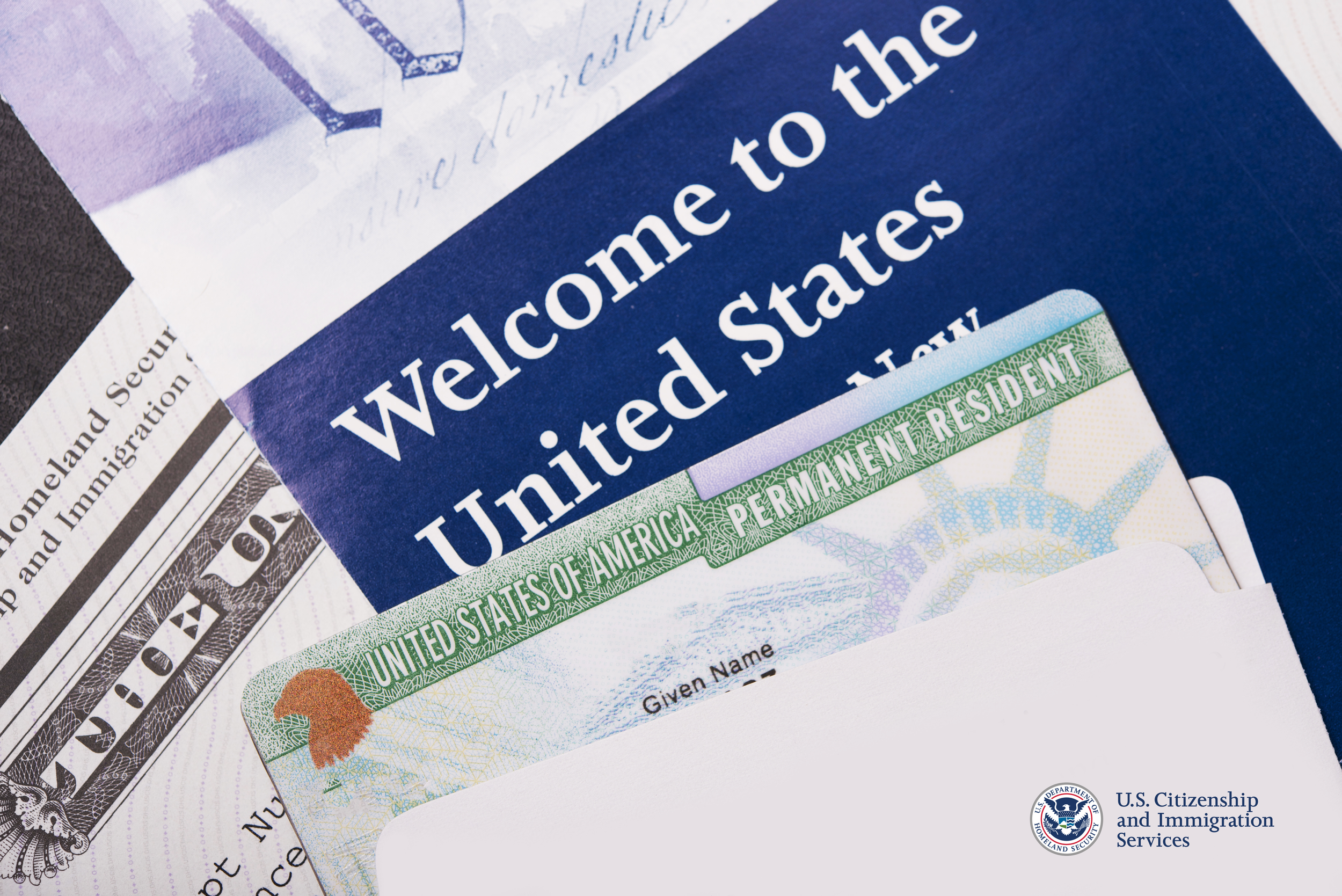
Take action now!
You can take a proactive approach to your immigration status. Proper preparation and planning can relieve the headaches arising from the aggressive USCIS policies that make it more challenging to process your I-140 and permanent residence applications.
“In this land shaped by the dreams of those who came before, we open our arms wide — because every one of us belongs to the story of America.”
- Arshad H. Umrani